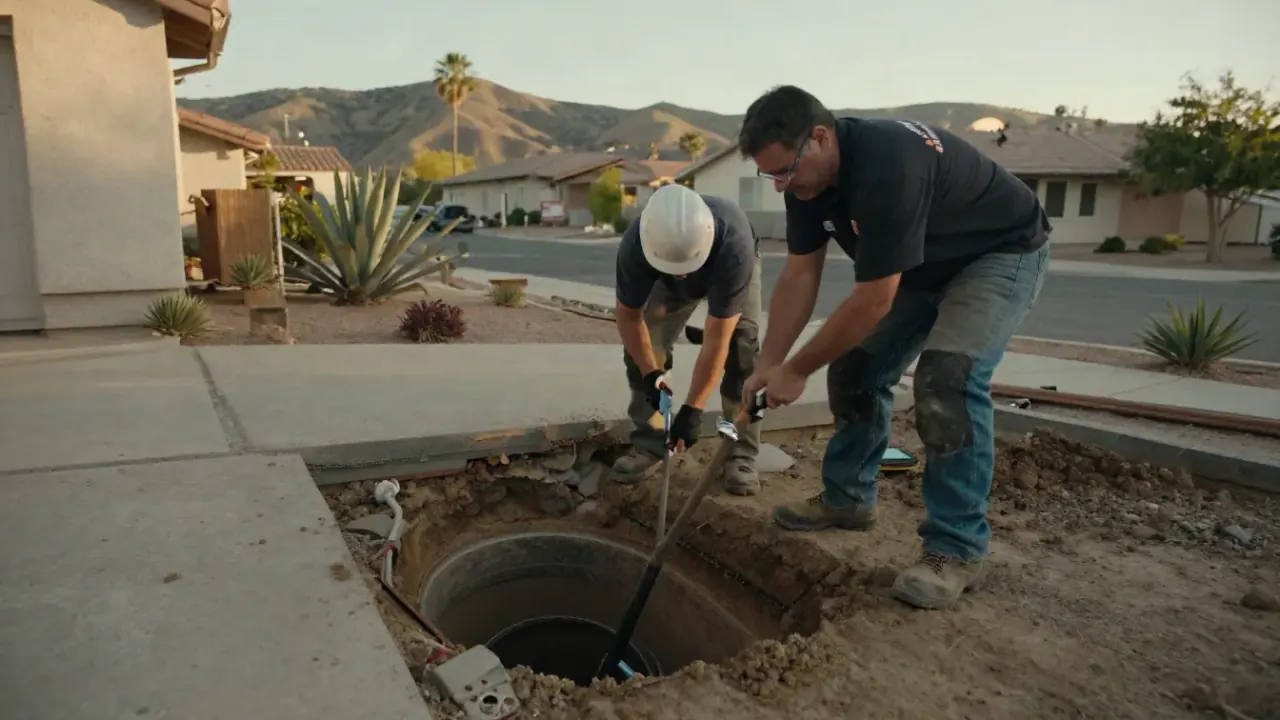
Pinpoints the sound of escaping water through concrete, confirming which underslab line is leaking before a reroute is planned.
Pipe Rerouting in Tustin That Ends Repeat Slab Leaks
Pipe Rerouting in Tustin abandons the leaking line buried in the concrete and runs new PEX or copper through your walls and attic instead. It suits slab homes in Orange County with several leaks or aging copper, where fixing one pinhole at a time keeps failing.
Serving Tustin and nearby areas.
How big is the rerouting job?
Several fixtures
A longer route serving a kitchen and bathrooms, with more drywall access and more connections to plan.
- 1. Single branch One leaking line moved to the attic, with few wall openings and a short route.
- 2. Several fixtures A longer route serving a kitchen and bathrooms, with more drywall access and more connections to plan.
- 3. Most of the house Many fixtures rerouted, often compared with repiping and planned in writing first.
Drag the needle to compareTouch and drag the needle
- 9Services from one local team
- 18Areas served around Tustin
- Plan firstRoute and wall openings are mapped before cutting
- Test openNew lines are pressure tested before walls close
What a Rerouting Project Covers
A rerouting project covers detection, planning, new piping, testing and retiring the old line. Drywall patching, paint, texture matching and any unrelated plumbing are scoped separately.
Work order
Pipe Rerouting- Leak detection and mapping: Acoustic, thermal and pressure methods confirm which lines are leaking, and fixtures and shutoffs are mapped to plan the new route.
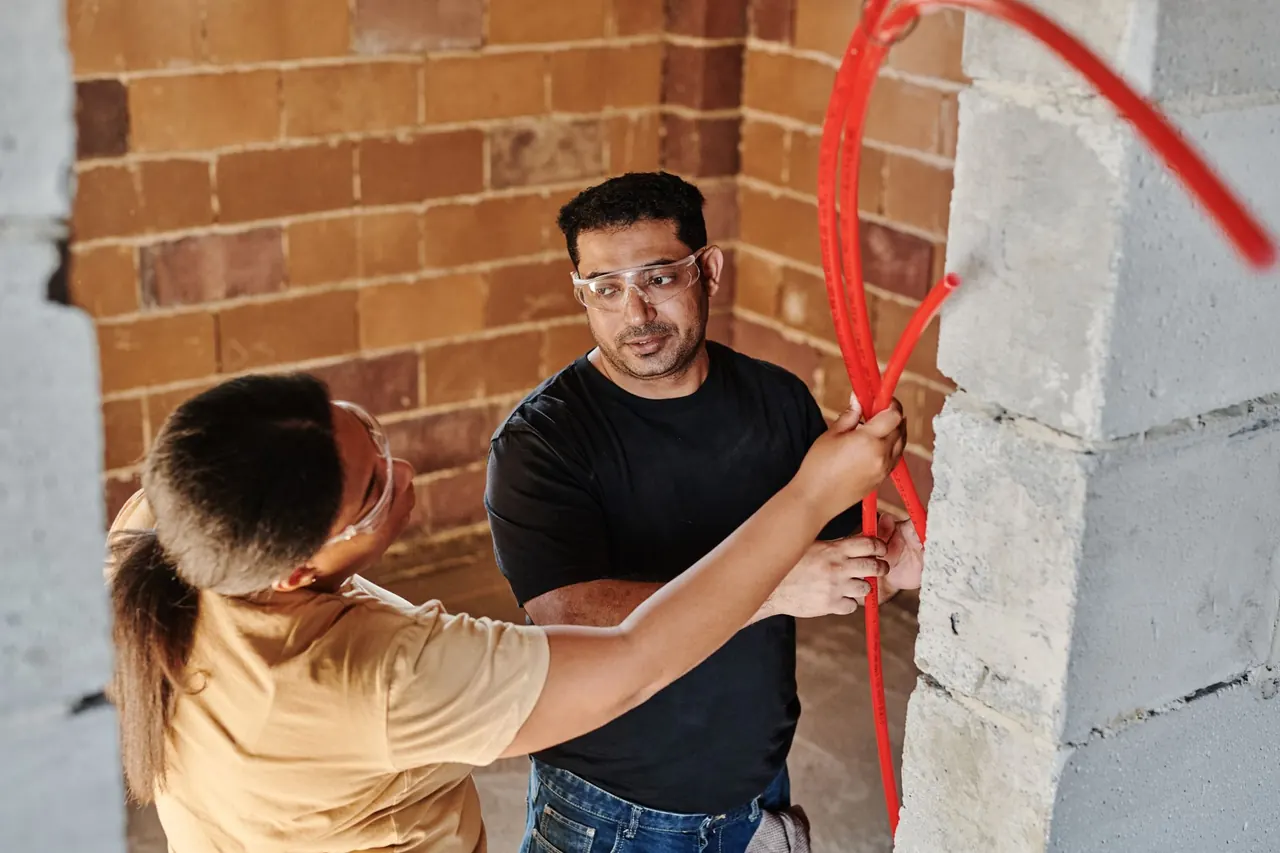
- New PEX or copper lines: New supply piping is installed through walls and attic to each fixture, using proper fittings and supports along the route.
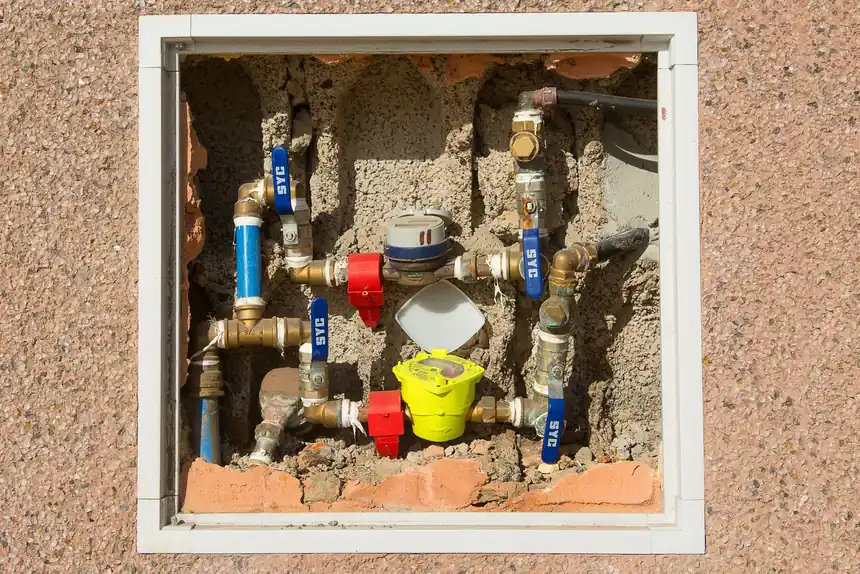
- Connection to supply and heater: New lines are tied into the main supply and the water heater, with shutoffs in place so sections can be isolated later.
- Retiring the old line: The leaking underslab line is disconnected and capped so it no longer carries pressurized water or leaks into the foundation.
- Pressure test before closing: The new system is pressure tested while walls are still open, so any weak fitting is fixed before drywall goes back.
What the first visit covers
First visit
The technician locates the leak, checks attic access and walls, explains whether rerouting fits and prepares a written estimate comparing it with other methods.
Rerouting for slab homes
Homes with repeat slab leaks or aging copper are the usual fit.
Repeat slab leaks
The same line keeps failing after repairs
Aging copper lines
Thin, scaled pipe with several weak points
Deep or hard leaks
Too far in for tunneling or lining
Post-tension slabs
Avoids cutting concrete with steel cables
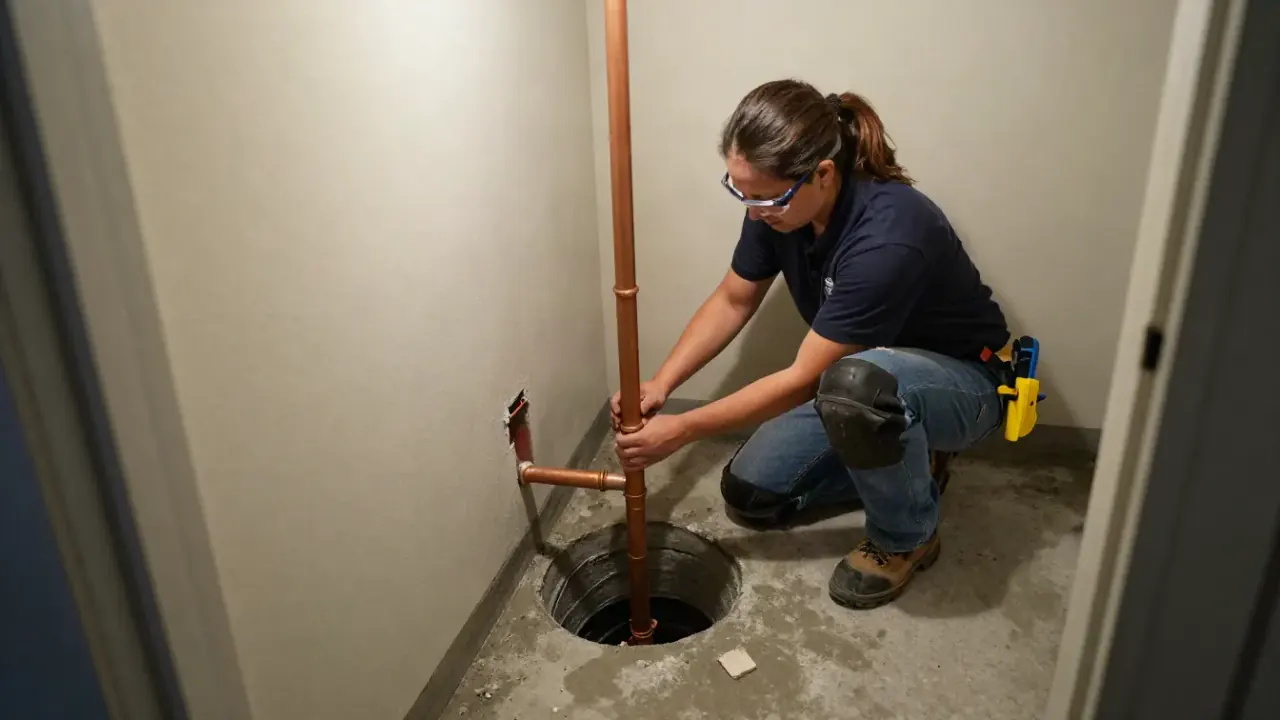
Rerouting for small commercial buildings
Small slab buildings with failing supply lines can move pipes overhead rather than reopening the floor.
Small offices
Moves pipes overhead, away from floors
Retail units
Limits floor work near the sales area
Multi-tenant buildings
Reroutes a failing shared supply line
What Pipe Rerouting in Tustin Involves
Rerouting is worth doing properly because it replaces a failing line rather than patching it. A clear plan for walls, attic and fixtures keeps the work organized and the result easy to reach later.
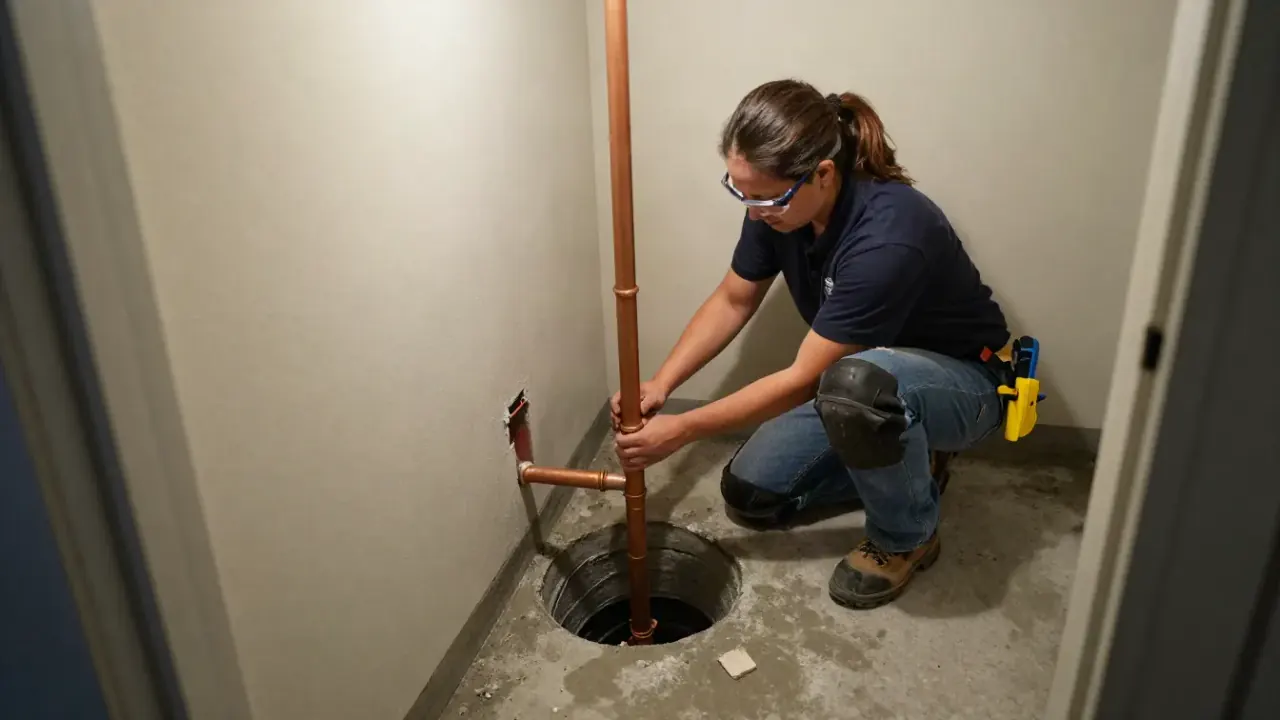
Pipe Rerouting in Tustin is a plumbing method that replaces a leaking underslab water line by installing new supply piping through walls and the attic, then retiring the old line in the slab. New PEX or copper runs overhead and drops down inside walls to each fixture. The old buried pipe is capped and abandoned in place. Because the slab is never opened, the problem line is taken out of service for good rather than patched.
Rerouting is most useful when a home has more than one leak or when the original copper is thinning along its whole length. Orange County hard water pits copper from the inside, so a house that has one pinhole often has others on the way. Homeowners who ask whether repiping through the attic is better than breaking the slab are weighing exactly this. The tradeoff is drywall: walls must be opened and patched, and the attic needs workable access.
- What it is
- New water lines run through walls and attic, retiring the slab line.
- When it helps
- When several leaks or aging copper make spot repairs pointless.
- What you get
- A pressure-tested system, a retired line and written route notes.
How a Rerouting Project Unfolds
A rerouting project runs in stages because walls, attic and fixtures all have to line up.
Materials and Methods for Rerouting
Each method answers a different question. Together they leave very little to guess.
Shows warm patches on floors that reveal hot water line leaks and helps map where the underslab pipe runs.
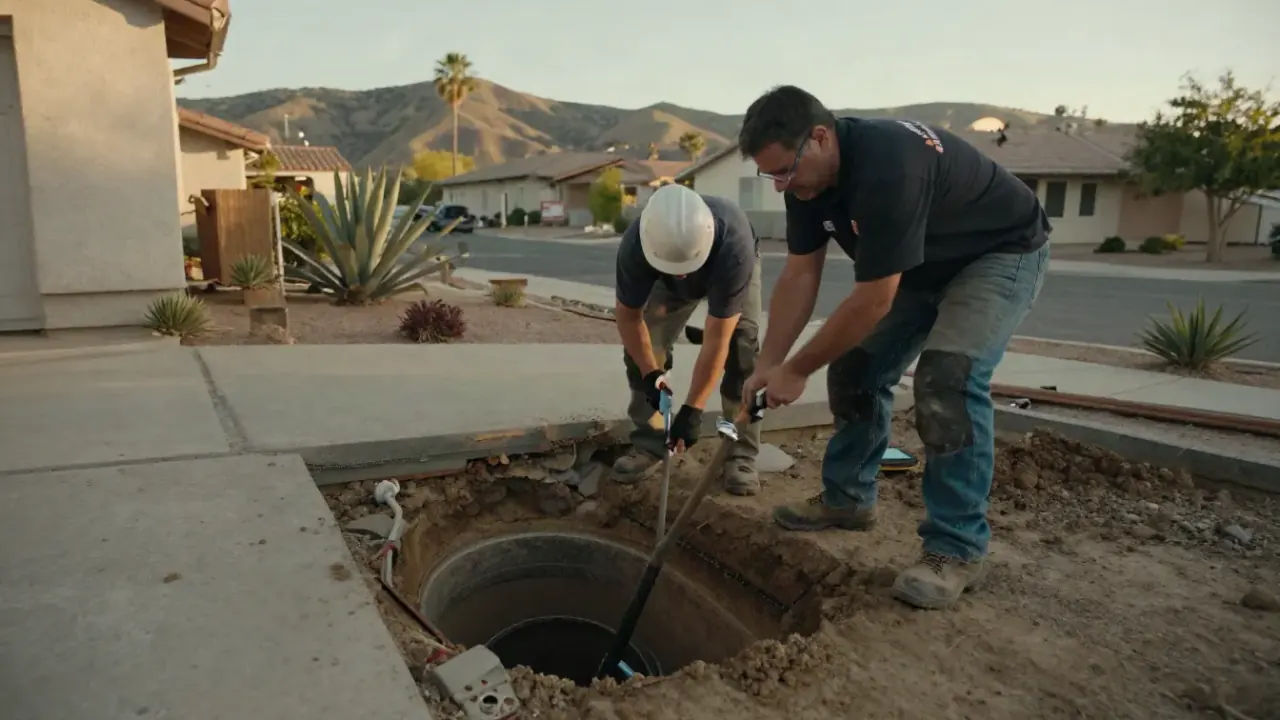
Flexible water supply tubing that is pulled through walls and attic, reducing the number of joints compared with rigid pipe.
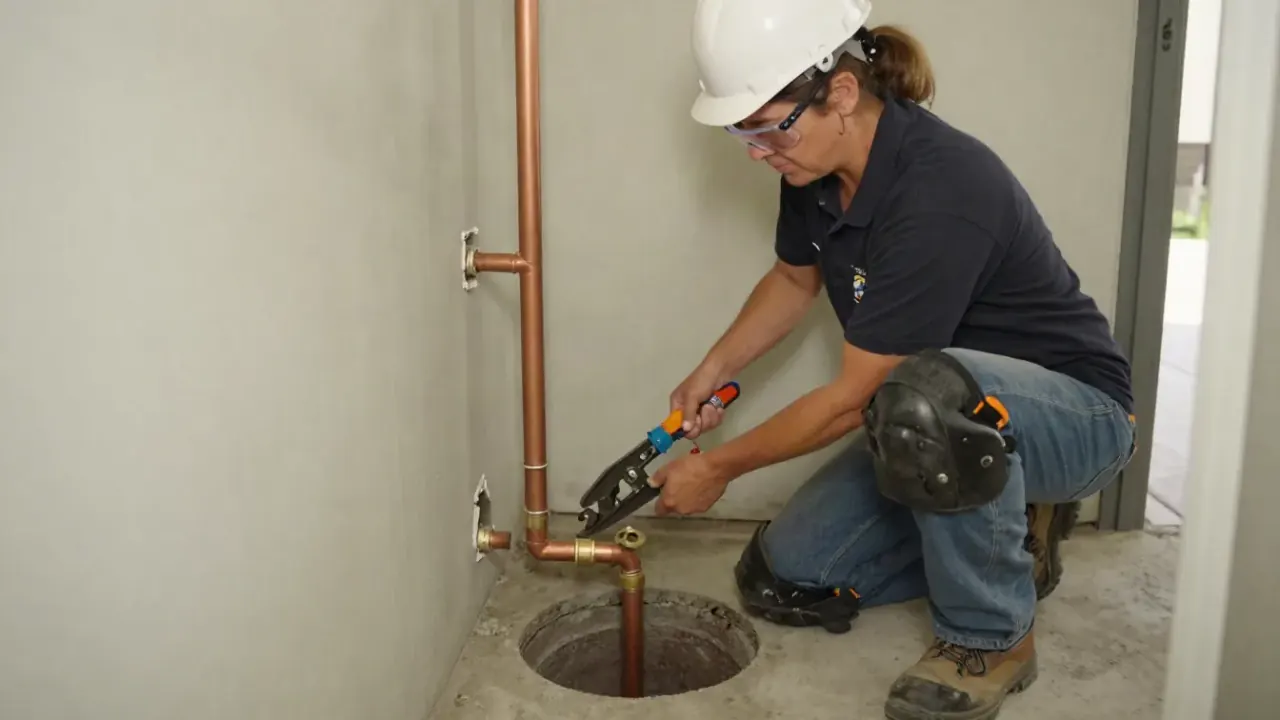
An alternative supply material for runs where copper is preferred, joined with proper fittings and supported along the route.
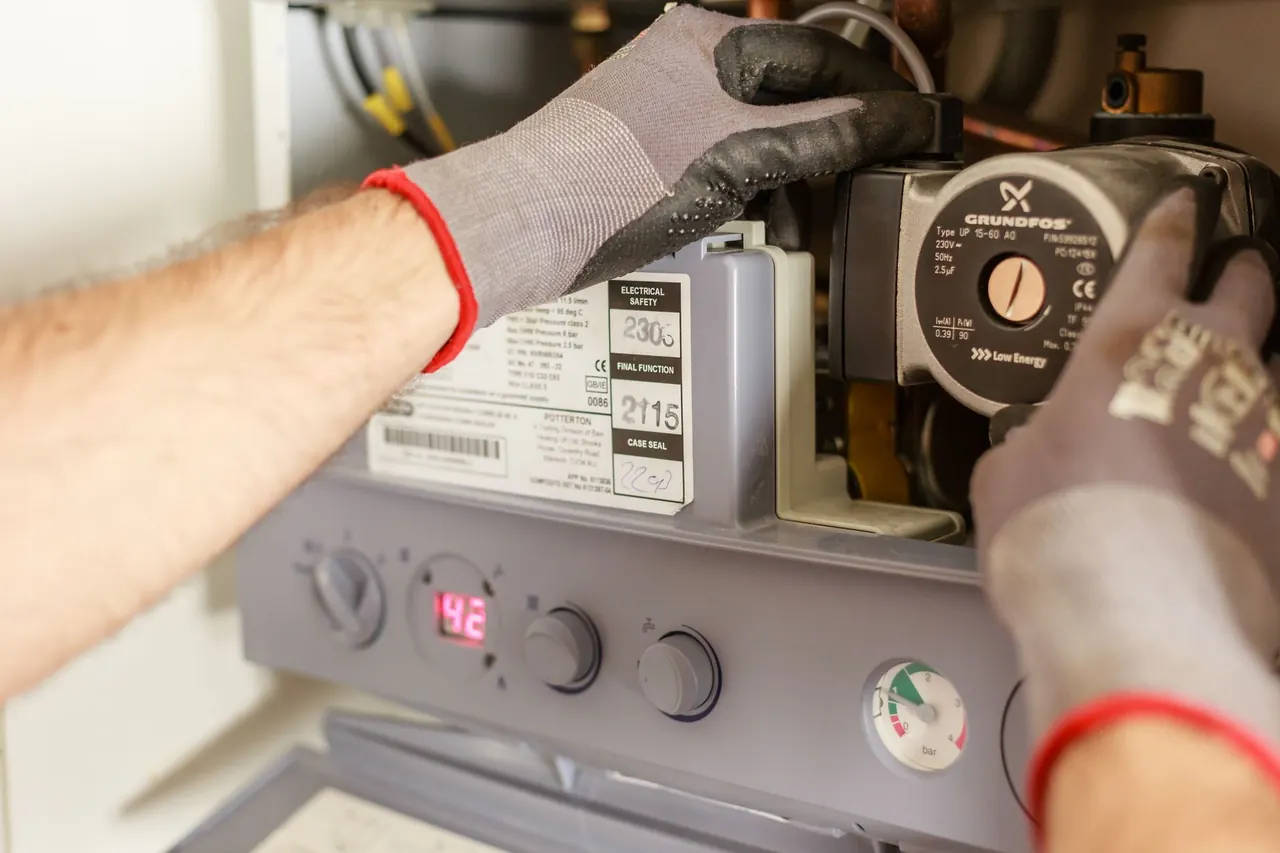
Confirms the old line leaks and later proves the new system holds pressure before walls are closed.
When Rerouting Is the Right Fix
A Tustin homeowner has repaired 2 slab leaks in 18 months and a third wet spot has appeared under the kitchen.
Detection confirms the same hot line is failing.
HomesA home in Tustin Legacy has a leak deep under the center of the house where tunneling would be too long.
Tunneling is ruled out by distance.
HomesA homeowner on a post-tension slab wants to avoid any concrete cutting after a hot spot appears on the floor.
Because tensioned steel cables inside the slab must not be cut, a reroute is planned through the attic.
Homes
How Rerouting Works in Tustin Homes
Pipe Rerouting in Tustin depends on the house more than almost any other repair. Slab homes across Orange County often have copper water lines in or under the concrete, and hard water wears those lines until leaks repeat.
Tustin Meadows
An established central Tustin neighborhood where single-story layouts and attic space often make overhead routing straightforward.
Tustin Ranch
A master-planned community started by the Irvine Company in the 1980s, where multi-story homes can mean longer vertical runs and more wall openings.
Peppertree
An established central Tustin neighborhood where older copper is worth inspecting if pinhole leaks have appeared more than once.

- Tustin Meadows
- Tustin Ranch
- Peppertree
- Lemon Heights
From problem to finished result.
Slide to compare the photo with an illustrative inspection view. It is generated from the photo, not a measurement.
 Photo
PhotoThird leak in 18 months
Before: A homeowner has paid for 2 slab leak repairs and now finds a third damp spot. The underslab copper is thin along its full length, and each repair has meant opening the floor or digging near the house.
After: The old line is capped and new PEX is routed through the attic to 4 fixtures. A pressure test holds steady before walls are closed, and the slab is not touched again.
Deep leak under living room
Before: A leak sits roughly 20 feet from the nearest exterior wall under finished flooring. A tunnel would be long and the floor above would be at risk if the slab were broken.
After: Rerouting bypasses the leaking line through the attic. Three small drywall openings are made and patched, and the living room floor stays in place.
Low pressure and pinholes
Before: A kitchen and a bathroom have low pressure, and a pinhole leak has appeared on a hot line. Inspection shows scale inside the copper and thin walls along the run.
After: New lines replace the scaled run and flow is checked at each fixture. The pressure test holds and the old underslab line is retired.
Stop the Cycle of Repeat Slab Leaks
Rerouting answers a particular kind of problem: a slab line that keeps failing.
A second or third slab leak has appeared on the same underslab line
Each leak means more detection, more access work and more disruption, and costs keep adding up while the line keeps thinning.
Tunneling or lining is not practical because the leak is deep or the pipe is damaged
Without a workable access path, the only remaining option may be breaking the slab, which damages finished flooring and creates dust. Rerouting avoids the slab entirely.
Aging copper has low pressure and scale along the full length
Narrowed pipe reduces flow at fixtures and hides corrosion that will eventually leak, often in a location that is hard to reach.
Benefits of Moving Pipes Off the Slab
Rerouting changes where the water lines live, which changes how they can be reached later.
Ends repeat slab digs
Once the old line is abandoned, new pinholes in it no longer matter.
Handles multiple leaks
A single tunnel or spot repair fixes a single failure.
Easier future access
Pipe in a wall or attic can be reached by cutting a small drywall opening or climbing into the attic.
Fresh pipe, steady flow
New PEX or copper replaces scaled, narrowed pipe, so flow at the fixtures can improve.
What Affects Rerouting Costs
Rerouting generally costs more than a spot repair because a new line is installed, but it can be a better value than repeated digs.
Included
Quoted after a first look
- Leak detection and mapping
- New PEX or copper lines
- Connection to supply and heater
- Retiring the old line
What changes the scope
Quoted after a first look
- Number of fixtures served
- Attic and wall access
- Pipe material choice
- House size and layout
What you receive after rerouting
Clear records you can keep and share.
Written plan
The route, fixture list and drywall openings, provided before work starts.
Leak findings
Which line was leaking and how the problem was located.
Route notes
Where new lines run and where the old line was capped.
Skills Behind a Clean Reroute
Rerouting is as much layout work as plumbing.
Leak history
Past repairs on the same line suggest the whole run is thinning and may favor rerouting over another patch.
Attic access
Opening and space in the attic show how much wall work is needed and whether overhead routing is practical.
Pressure readings
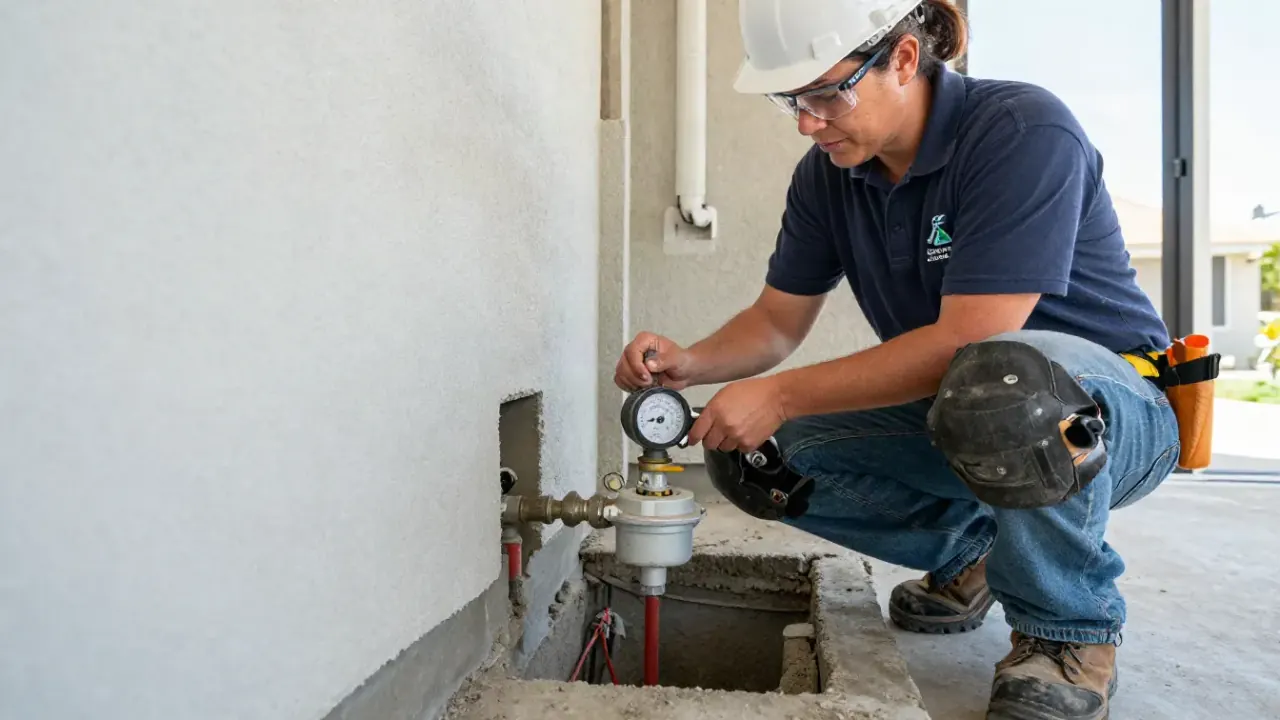
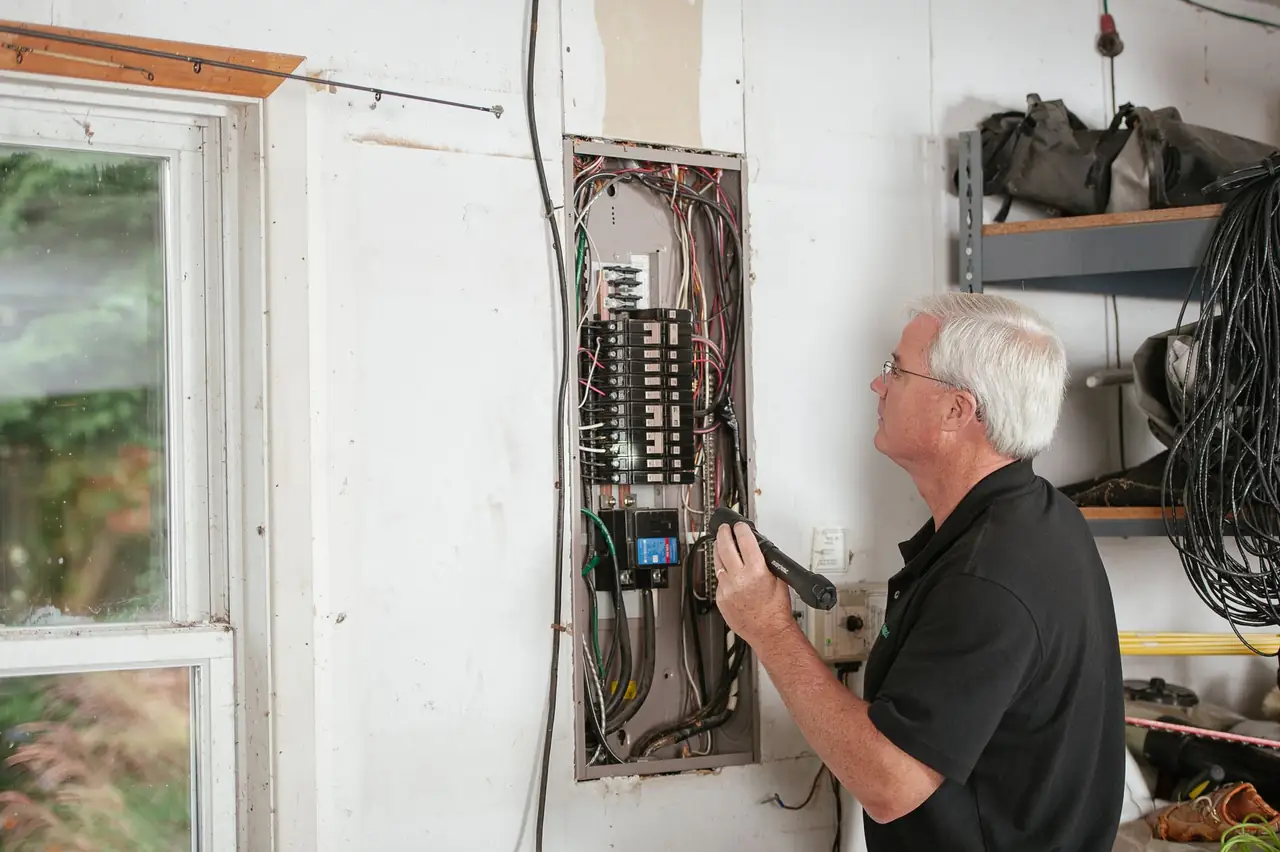
A dropping gauge on an isolated line confirms a leak, and a steady reading confirms the new system holds.
Do we cover your part of Tustin?
Type your ZIP code or town to check. If yours is not listed, ask us anyway.
Tustin ZIP codes
- 92780
- 92782
- 92623
- 92781
Towns we serve.
Based in Tustin and covering the places around it. Pick one for local details.
Frequently Asked Questions
Short answers for the first few minutes. The team can cover the rest.
Still have a question?
Describe what you are seeing and we will point you to the right next step.
(657) 359-9075Number of fixtures, attic access and drywall repair all change the total. The final price comes from a written estimate after inspection.
Rerouting is better when there are multiple leaks or aging pipes, or when tunneling and lining are not practical. Tunneling suits a single leak near an outside wall, and lining suits sound pipe that is not collapsed. Rerouting avoids both by building a new path through walls and attic, though it needs drywall work and attic access.
Yes, rerouting needs small openings in drywall at fixtures and along the new route, which are patched afterward. The number and size depend on the layout of the house. Attic access reduces the amount of wall work needed. We show you the planned openings in the estimate so you know which rooms are affected before work begins.
The old line is capped and abandoned in place, not removed. Once it is disconnected from the supply and water heater, it no longer carries pressurized water, so it cannot leak into the slab. Leaving it in the concrete avoids breaking the foundation. Notes on the retired line are included in the records you receive.
Related Services
Other services from the same team.
- Whole-House RepipingWhole-house repiping replaces the home's water lines with new PEX or copper.
- Water Service Line Leak RepairThe water service line runs from the street meter to the house, and a leak there can sit…
- Hot Water Line Leak RepairHot water lines cause a large share of slab leaks because heat accelerates corrosion in copper.

Plan Pipe Rerouting in Tustin Today
(657) 359-9075If your slab line keeps leaking, call (657) 359-9075 for an inspection.
Contact Tustin Slab Leak Repair
Call (657) 359-9075 and tell us what you are seeing, whether that is a warm floor, a high bill or a meter that will not stop. We will ask a few questions about your home and the water meter, and then set up an inspection for your address in Tustin or a nearby Orange County city.