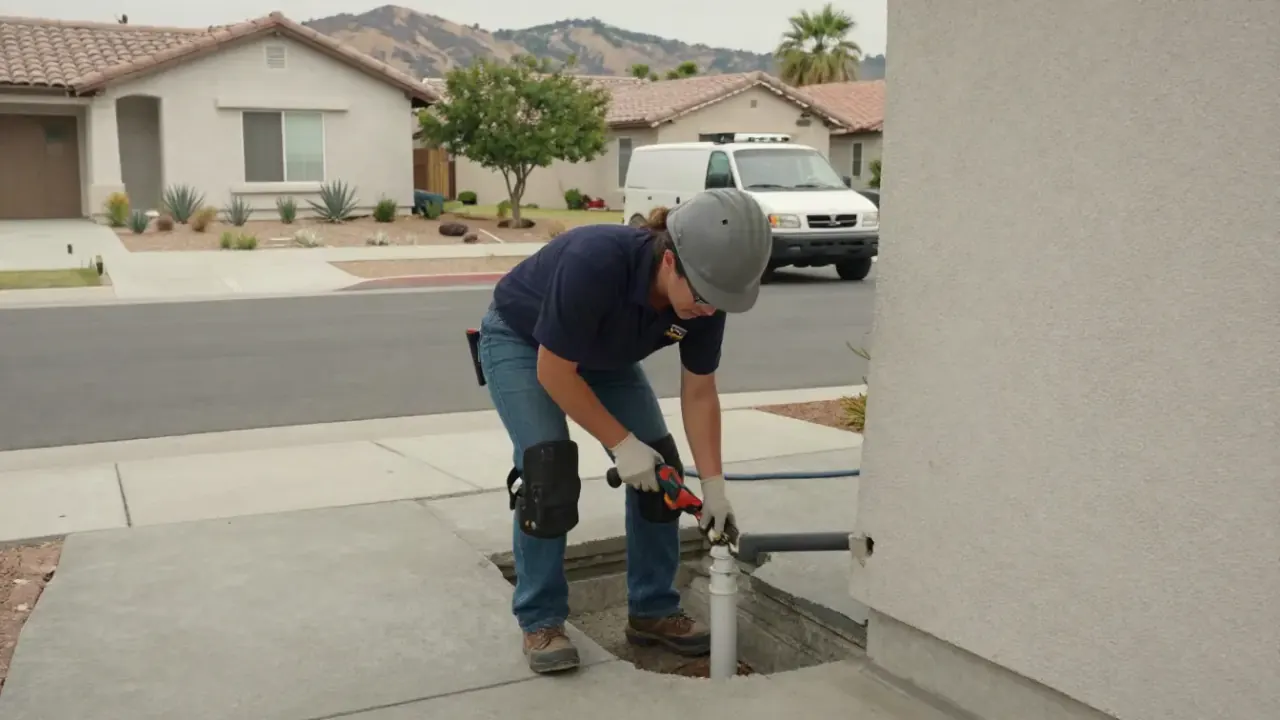
Warm Spots on the Floor: A Hot Water Slab Leak Warning
A warm spot on your floor can mean a hot water line is leaking under the slab. Here is how to check it and what to do next in Tustin.
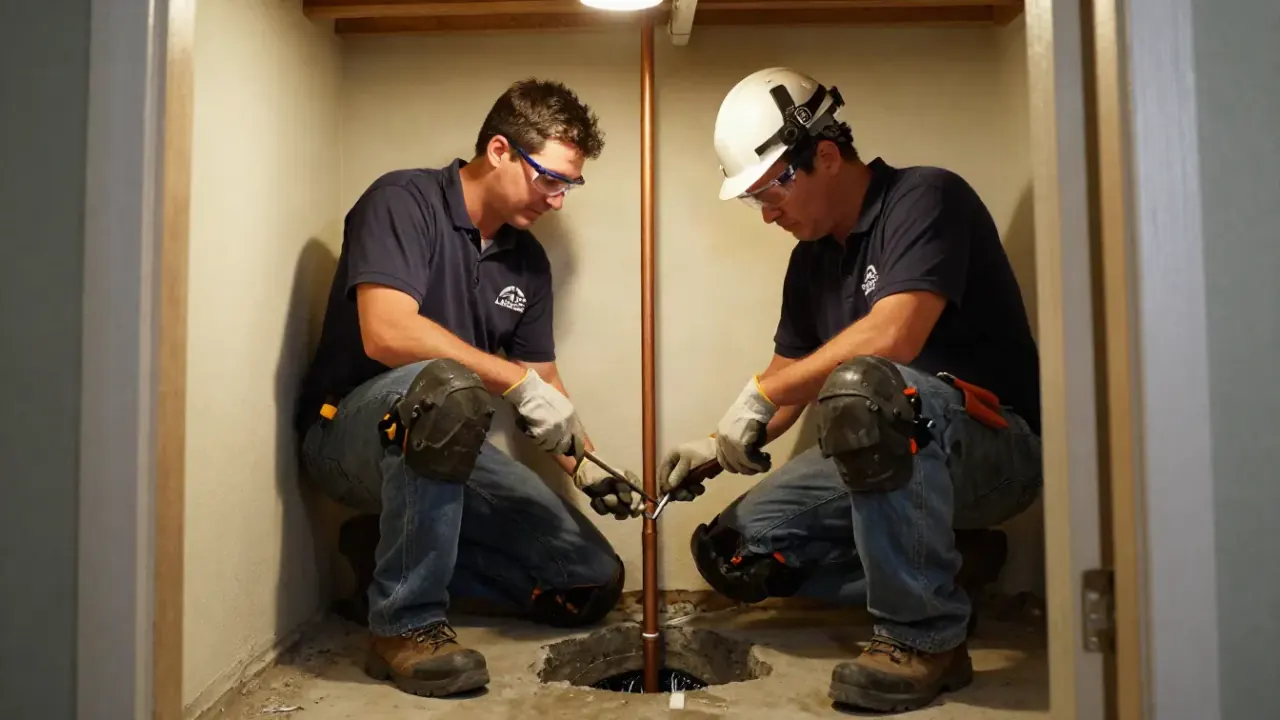
A warm spot on the floor most often means a hot water line is leaking under the slab, heating the concrete above it. If the spot stays warm with the heater off and the sun not shining on it, the likelihood of a hot water slab leak is high.
Hot water lines cause a large share of slab leaks, which makes floor warmth one of the more specific warning signs a Tustin homeowner can notice. This guide explains why it happens, how to check it safely, and what comes next.
What does a warm spot on the floor mean?
A warm spot on the floor means that something below the surface is giving off heat, and in a slab-on-grade home that something is often a leaking hot water pipe. The escaping hot water warms the concrete, and the warmth travels up through tile, laminate, or wood.
A hot water slab leak is a break in a heated supply line beneath a home's concrete foundation, and the warm patch is often the first physical clue. Other signs may follow: higher bills, lower hot water pressure, a water heater that seems to run constantly, or the sound of running water.
The spot is usually small at first, perhaps the size of a dinner plate or a doormat. As the leak grows, the warm area can spread, and the floor above may start to feel damp or show cracks in the grout.
Why hot water lines leak under the slab
Hot water lines leak under the slab because heat and movement wear on the pipe faster than cold lines experience. Understanding the cause helps you understand the fix.
Copper lines expand when hot water flows and contract as they cool. Over years, that cycle can stress the pipe where it touches gravel, concrete, or fittings. Orange County hard water can also corrode copper pipe over time, which thins the walls from the inside.
The result is often a pinhole. A pinhole leak under pressure can send a thin stream of hot water into the surrounding slab, and the heat transfers into the concrete. That is the warm spot you feel on the surface.
If your home has post-tension cables in the slab, extra care is needed during repair. The specifics are covered under Post-Tension Slab Leak Repair in Tustin.
How to check a warm spot yourself
You can check a warm spot yourself with a few safe steps that take about an hour in total. The aim is to separate a leak from ordinary heat sources.
- Note the location of the warm area and mark it with painter's tape.
- Check at different times of day, including late evening and early morning, to see if the warmth persists.
- Turn off the home heater and any floor heating, and see whether the spot is still warm.
- Do the water meter test: turn off all water, read the meter, wait 15 to 30 minutes, and read it again.
- Listen near the spot for a faint hiss or trickle with the house quiet.
If the meter moves, the spot stays warm, and you hear water, the case for a slab leak is strong. Do not drill, cut, or break the floor to look. That can make a small repair larger.
Also check whether your hot water seems slow to arrive or weaker than before. A drop in hot water pressure alongside a warm floor is a meaningful combination. If the hot line is the problem, Hot Water Line Leak Repair in Tustin covers the options.
Other things that can warm a floor
Several non-leak sources can warm a floor, and you should rule them out before assuming the worst. Honest diagnosis starts with these.
- Sunlight through a window or glass door. Afternoon sun can heat tile for hours.
- Ducts or a heating system. Warm air running beneath or near the floor can raise its temperature.
- Appliances. A refrigerator compressor, a dishwasher, or a water heater can warm nearby floor sections.
- Radiant floor heating. If installed, it will warm the floor by design.
- A recirculating hot water line. Some homes have loops that keep pipes warm, which can warm the floor slightly even without a leak.
The key difference is persistence and location. A leak creates a distinct warm patch that does not follow the sun or the heating schedule. A sun-warmed floor cools quickly after sunset.
This is why testing matters. If you cannot explain the warmth with one of these sources, treat it as a possible leak and test the meter.
How a plumber confirms the leak
A plumber confirms a hot water slab leak with slab leak detection, which uses several tools that cross-check each other. Thermal imaging is especially helpful here.
Thermal or infrared imaging uses a camera to show temperature differences across the floor. A leaking hot line shows up as a warm patch, and it often matches the spot you felt. Acoustic listening picks up the sound of water escaping. Pressure testing isolates each line to see which one loses pressure. Video pipe inspection can check the condition of accessible pipe.
When the tools agree, the plumber can mark the location and explain what is below. The warm patch you noticed may not sit directly over the break, because water and heat can travel through the slab. That is why precise detection matters before any cutting.
Homes in newer developments can show this problem as well. If you live in a community such as Columbus Grove, Slab Leak Repair in Columbus Grove explains how the process works locally.
Repair routes for a hot line leak
A hot line leak can be repaired by direct access, tunneling, epoxy lining, or rerouting, and the right choice depends on the pipe and the leak location. Each has tradeoffs.
Direct access opens the slab over the leak. Tunneling is the least disruptive to flooring, though labor-intensive and not always suitable for a deep leak beneath the center of the house. Epoxy lining is the least invasive, but it needs pipe in reasonable shape. Rerouting runs new pipe through the walls or attic, and it is best for multiple leaks or aging pipes, with some drywall work.
For a copper line that has worn out in several places, rerouting is often worth discussing. You can read about Pipe Rerouting in Tustin to understand the process.
Typical slab leak repair runs roughly $630 to $4,400, and severe or hard-access jobs can reach about $6,750, according to This Old House. Angi lists an average of about $2,300. Those are typical ranges, not promises, and the final price depends on access, method, and location.
Common mistakes with warm floors
The common mistakes with warm floors all involve waiting or guessing. Here is what to watch out for.
- Blaming the sun without testing. A spot that stays warm at night is not from sunlight.
- Turning up the water heater. If the leak is on the hot side, this just loses more hot water.
- Ignoring a rising gas or electric bill. A leak can force the water heater to run more, so energy costs can climb too.
- Covering the spot with a rug. It hides the evidence while the leak continues.
- Skipping insurance questions. Policies usually respond to sudden or accidental damage, while gradual wear and corrosion are commonly excluded. Call your insurer before repairs.
If you can, shut off the water heater and the main water valve when you suspect a hot line leak and cannot get help right away. That limits damage and avoids wasted energy.
When to call a professional
You should call a professional as soon as a warm spot persists with the heater off, especially if the meter test shows movement. The sooner the leak is found, the smaller the likely repair.
Tustin Slab Leak Repair can locate the leak, confirm whether it is on a hot line, and explain your repair options. Homeowners in places like Cowan Heights, where homes vary widely in age and layout, can read about Slab Leak Repair in Cowan Heights.
Bring your notes: where the warm spot is, when you noticed it, and your meter readings. They speed up the visit.
Frequently Asked Questions
Is a warm floor spot always a slab leak?
No. Sun, heating ducts, appliances, or radiant heat can warm a floor. A spot that stays warm at night with the heater off, plus a moving water meter, strongly suggests a hot water slab leak.
Can I fix a hot water slab leak myself?
Not practically. The pipe is under concrete, and finding it takes detection equipment. Cutting the slab on a guess can make the damage worse, so a plumber should locate the leak first.
Why is my hot water pressure low?
A leak on the hot line can reduce pressure at the fixtures. Other causes include clogged aerators or a partly closed valve, so combine the symptom with a meter test and floor checks.
Will a hot water slab leak raise my energy bill?
It can. Escaping hot water makes the heater work more to keep up, so both water and energy costs may climb. Compare bills over several months for a pattern.
How urgent is a warm spot on the floor?
It is worth acting on within days, not months. A running hot water leak wastes water and energy, and can damage flooring. Run the meter test as soon as you notice it.
Get help with Slab Leak Repair in Tustin
Found a warm spot you cannot explain? Tustin Slab Leak Repair can test for a hot water slab leak and talk through your options.