How Long Does Slab Leak Repair Take?
Typical slab leak repair runs from a few hours to a couple of days for spot fixes and lining, and a few days for tunneling or rerouting. Here is why it varies.
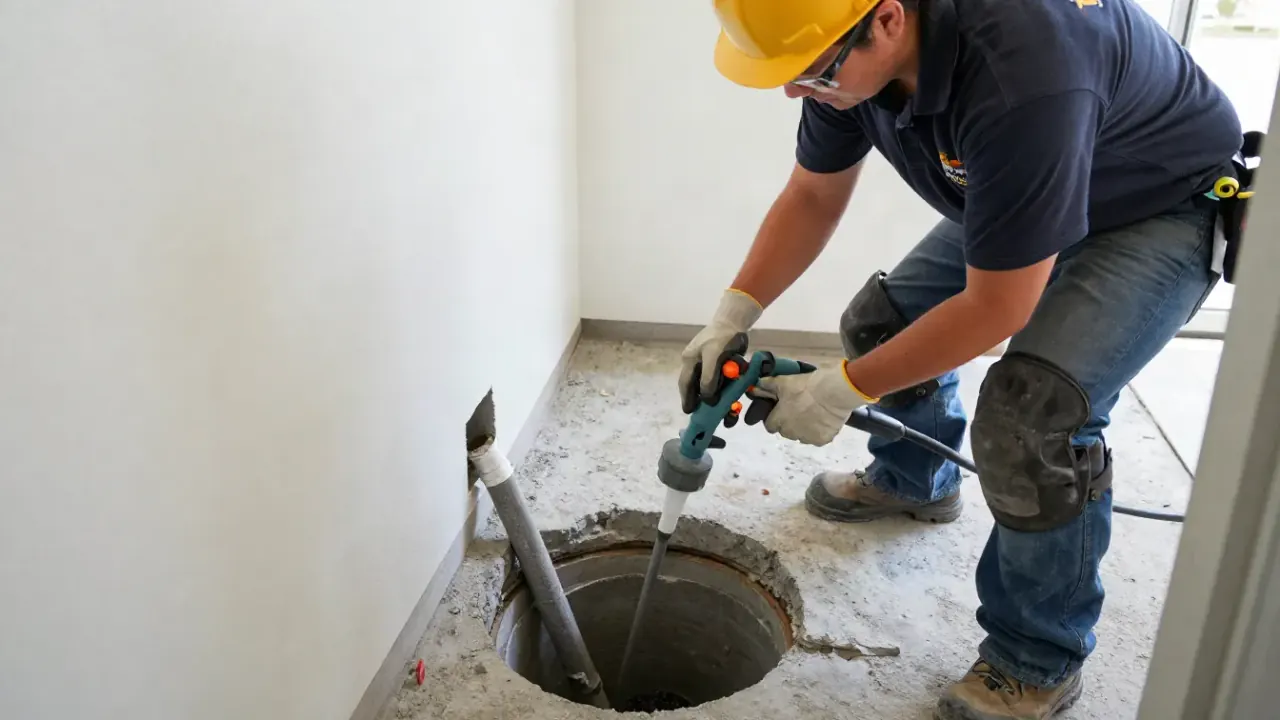
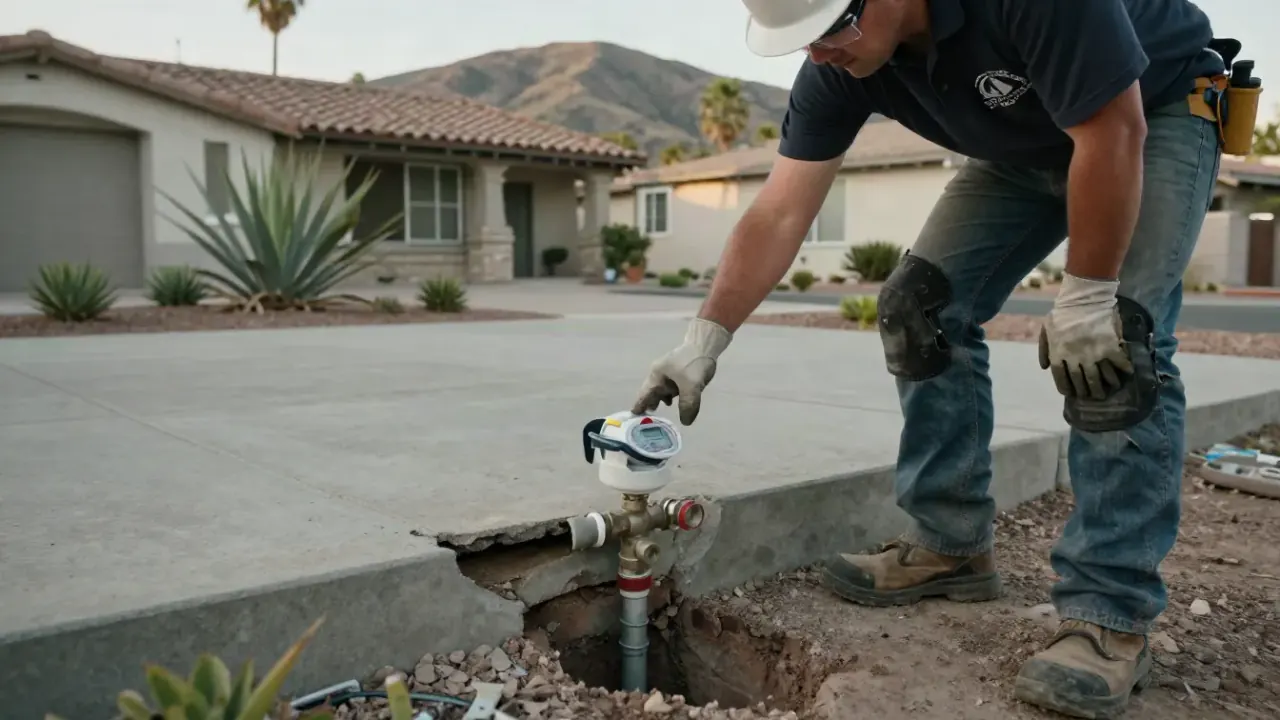
Most slab leak repairs take anywhere from a few hours to a day or two for a spot repair or pipe lining, and about two to several days for tunneling or rerouting. Those are typical industry ranges, not promises, and your own timeline depends on where the leak is, how the pipes look and how much finish work follows. In Tustin, homes built on slabs vary a lot in layout, so the same leak can mean very different schedules from one house to the next. This post breaks the timeline into its pieces: finding the leak, doing the repair, and putting the house back together.
What is a typical slab leak repair timeline?
A typical slab leak repair timeline has three parts: detection, the repair itself, and restoration. Detection often takes a few hours. The repair takes anywhere from a few hours to several days. Restoration, such as flooring, drywall or paint, can add more time on top.
Slab leak repair is a plumbing service that finds and fixes a leaking water line under or within a home's concrete foundation. Because the pipe is hidden, the schedule depends on how hard it is to reach.
Treat any number you read online, including these, as a general expectation. A plumber can only give a real estimate after the leak is located and the access plan is clear.
How long does slab leak detection take?
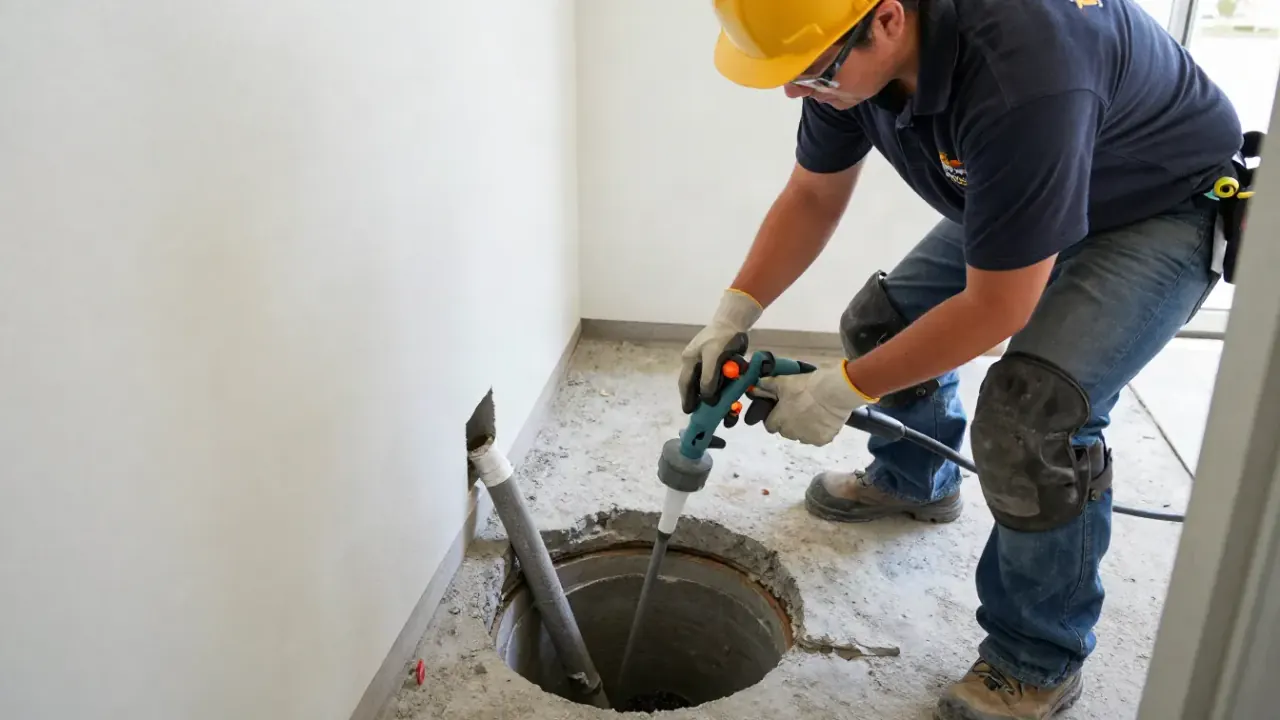
Slab leak detection usually takes a few hours, though a tricky house can take longer. Detection methods include acoustic listening, thermal or infrared imaging, pressure testing and video pipe inspection, and a plumber may combine several of them to be sure.
Start with simple checks you can do yourself. Turn off every fixture and watch the water meter. If it moves, water is escaping somewhere.
Detection is not wasted time. A precise location can shorten the repair, because the work is aimed at the right spot instead of a wide area. If the real concern is an unexplained bill, a High Water Bill Leak Investigation in Tustin is the logical first step before anyone plans a repair.
Timeline by repair method
Repair time depends heavily on the method chosen, and the typical ranges below show why method matters. Treat them as general industry expectations, not firm figures for your home.
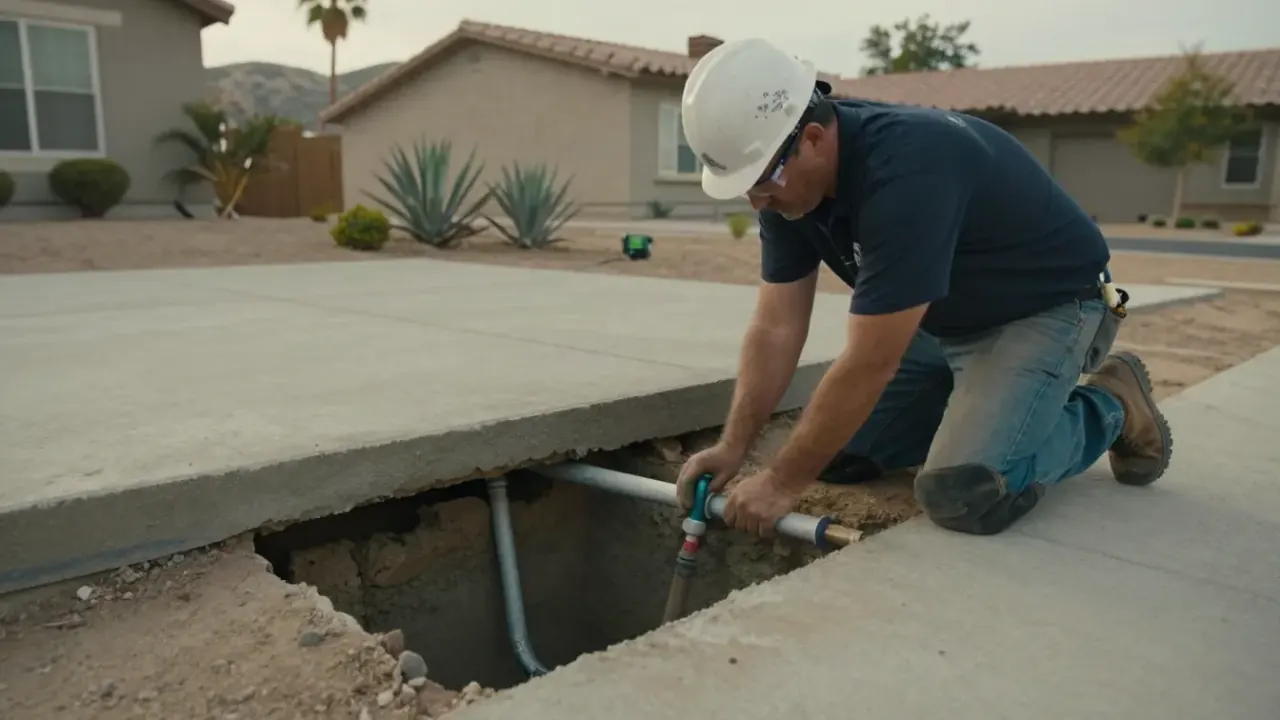
- Direct access (breaking the slab): often a day or two for the plumbing, with concrete patching and flooring after.
- Epoxy pipe lining: typically a few hours to a day or two, with curing time built into the plan.
- Tunneling: commonly a few days, since the work is labor-intensive.
- Rerouting through walls or attic: usually a few days, plus drywall repair.
Epoxy lining
Lining is often the quickest because the coating goes inside the existing pipe. It only works when the pipe is in reasonable shape and has not collapsed. If that fits your system, Epoxy Pipe Lining in Tustin can keep disruption and schedule to a minimum.
Tunneling
Tunneling takes longer because crews dig a small passage under the foundation by hand. It spares flooring but is slow work, and it may not suit a leak deep under the center of the house. Slab Leak Tunneling in Tustin is usually planned in days, not hours.
Rerouting
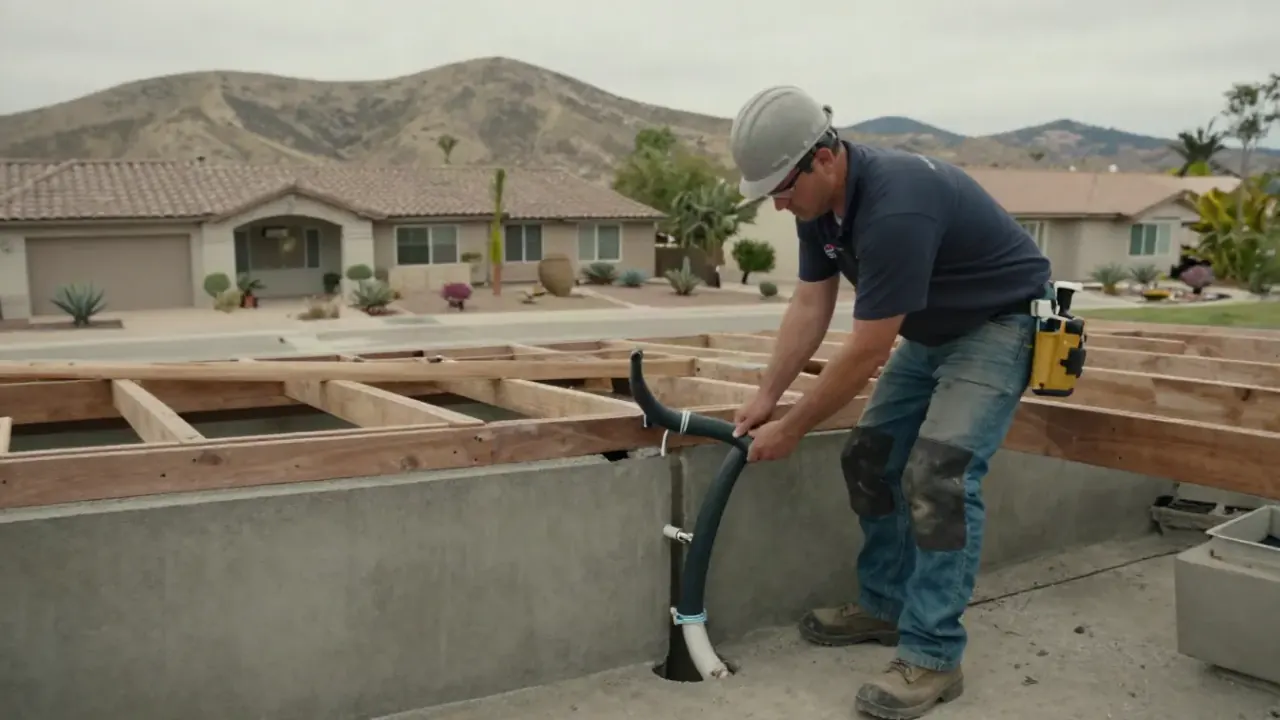
Rerouting takes a few days because new pipe has to be run through walls or the attic and connected to every fixture it serves. It is the best fit for multiple leaks or aging pipes. A plan for Pipe Rerouting in Tustin should include time for opening and patching drywall.
What makes a slab leak repair take longer?
A slab leak repair takes longer when access is difficult, several leaks are found, or the pipe is in worse shape than expected. Each of these changes the plan midway.
Leak location comes first. A leak near an exterior wall is easier to reach than one deep under a central hallway. Flooring matters too, since tile and hardwood need careful removal, and the finish work can run longer than the plumbing.
Pipe condition is the next factor. If a camera shows that several sections are thinning, a one-spot fix may turn into a bigger job. In some homes the better answer is whole-house repiping, and Whole-House Repiping in Tustin is a much larger project than a single repair.
Post-tension slabs add a step. Tensioned steel cables inside the slab must not be cut, so they have to be located first.
What happens after the pipe is fixed?
After a slab leak is fixed, the home still needs drying, testing and restoration, and these steps can outlast the plumbing itself. Pressure testing confirms the repair holds. Wet materials may need to dry before new flooring goes in.
Expect some or all of the following:
- Pressure test to verify the repair.
- Drying or removal of damp carpet, padding or baseboards.
- Concrete patching, if the slab was opened.
- Drywall repair and paint, if walls were opened for rerouting.
- New flooring where it was removed.
Insurance can affect the calendar, too. Photograph the damage, call your insurer, and ask what they need before work starts. Waiting for approvals can add days that have nothing to do with the plumbing.
Common mistakes that add days
Common mistakes that add days to a slab leak repair include delaying the call, skipping documentation and not clearing access. They are easy to avoid.
- Waiting while the bill climbs. Damage spreads, and a small job can turn into a larger one.
- Not shutting off the main water valve. Water keeps flowing into the slab and flooring.
- Forgetting to photograph damage. Your insurer will want it, and gaps slow the claim.
- Leaving furniture in the work area. Crews lose time moving things.
- Expecting a fixed number up front. The honest estimate comes after detection.
If you live in a neighborhood with tight lots and close neighbors, such as Slab Leak Repair in Columbus Square, tell the plumber about access early. Limited yard space can change which methods are practical, and with them the schedule.
When to call a professional
You should call a plumber as soon as you notice warning signs, because early action usually keeps both the repair and the cleanup shorter. Warning signs include a higher bill with no visible leak, a meter that moves with all water off, low pressure, warm floor spots, damp carpet, a mildew smell, buckling floors and the sound of running water.
Tustin Slab Leak Repair can locate the leak, explain the method that fits, and talk through what the timeline looks like for your layout. For homes in areas like Slab Leak Repair in Peppertree, a short site visit is usually enough to start sorting out access.
What does it cost in 2026?
Typical slab leak repair runs roughly $630 to $4,400, with severe or hard-access jobs reaching about $6,750 according to This Old House. Angi puts the average near $2,300. Method, access and leak location drive both price and time.
Frequently Asked Questions
Can a slab leak be fixed in one day?
Sometimes. A spot repair or pipe lining can take a few hours to a day or two. Tunneling and rerouting usually run longer, often a few days.
How long does finding the leak take?
Usually a few hours. Plumbers may use acoustic listening, thermal imaging, pressure testing and video inspection. Difficult homes or multiple leaks can take longer.
Do I have to leave the house during repair?
It depends on the method. Breaking the slab is noisy and dusty, so some families stay elsewhere. Lining and rerouting tend to be less disruptive. Ask your plumber about water shutoffs and noise.
Does restoration add time?
Yes. Concrete patching, drywall repair, paint and flooring can add days or weeks beyond the plumbing, especially when materials must dry or be ordered.
Why is rerouting slower than lining?
Rerouting runs new pipe through walls or the attic and reconnects fixtures, then repairs drywall. Lining coats the existing pipe from the inside, so there is far less to build.
Get help with Slab Leak Repair in Tustin
Want a realistic timeline for your home? Describe the symptoms and we will help you plan. Call Tustin Slab Leak Repair at (657) 359-9075.