Can a Slab Leak Be Fixed Without Breaking the Concrete?
Often yes. Tunneling, epoxy lining and rerouting can fix a slab leak with little or no jackhammering. Here is how each option works and when it fits.
Yes, many slab leaks can be repaired without breaking the concrete, but not every leak qualifies. Tunneling, epoxy pipe lining and rerouting the line through walls or the attic are the three main ways to avoid cutting open the slab. Which one fits depends on where the leak sits, what shape the pipe is in, and whether one leak or several are involved. In Tustin, where most homes sit on a slab, it is worth asking about these options before anyone brings in a jackhammer. This post walks through each method, where it falls short, and the cases where opening the floor is still the sensible call.
Which repair methods avoid breaking the slab?
Three methods can fix a slab leak while leaving most or all of the concrete intact: tunneling under the slab, lining the pipe with epoxy, and rerouting the line outside the slab. Each trades off cost, disruption and how long the fix is expected to last.
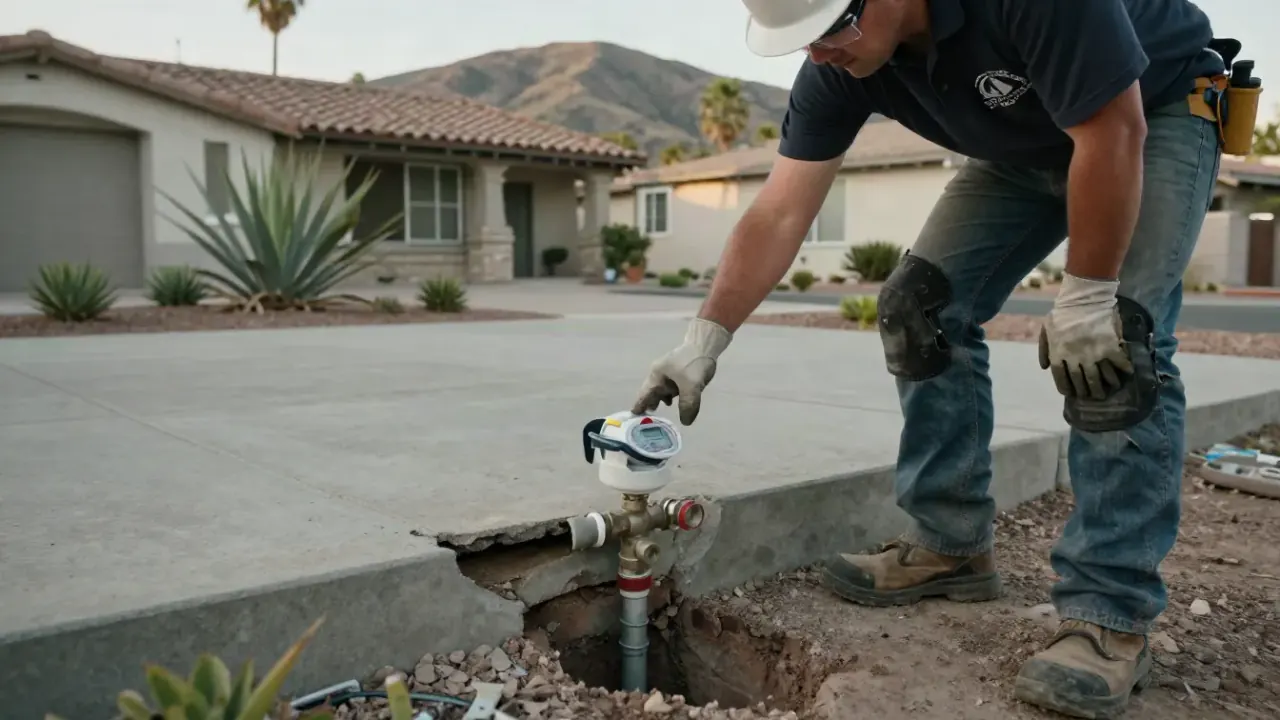
Slab leak repair is a plumbing service that locates a leaking water line under or inside a home's concrete foundation and repairs or replaces it. Before choosing any method, the leak has to be found. Slab leak detection typically combines acoustic listening, thermal or infrared imaging, pressure testing and video pipe inspection, so that the repair targets the right spot and not a guess.
The direct-access approach, which cuts through the floor and the slab above the leak, is the baseline the other options are measured against. It is straightforward, but it means breaking concrete, moving flooring and patching afterward.
How does tunneling reach a leak?
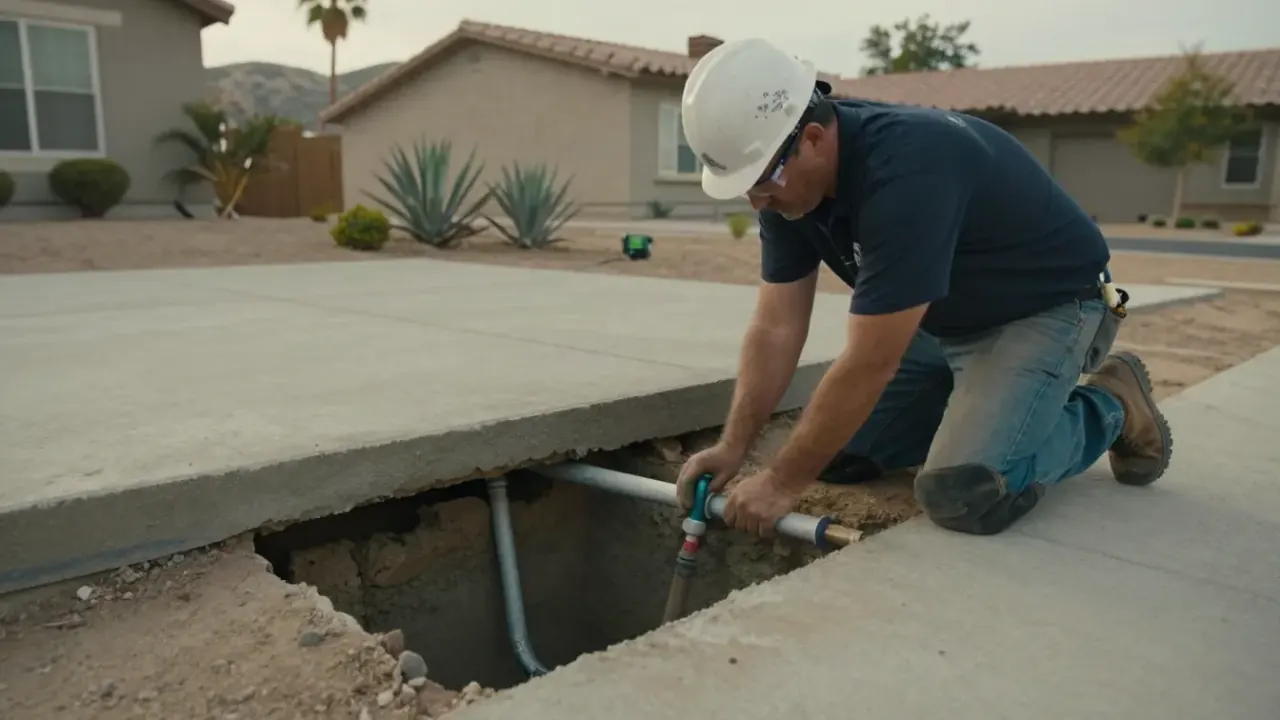
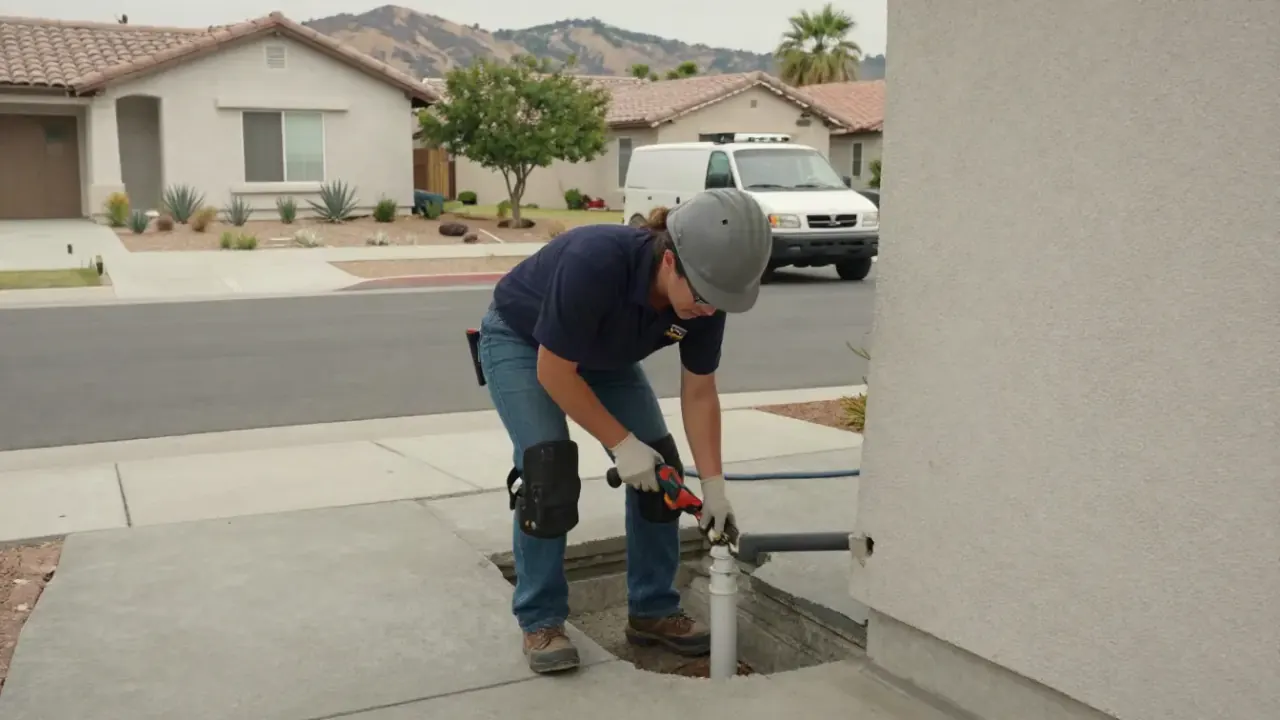
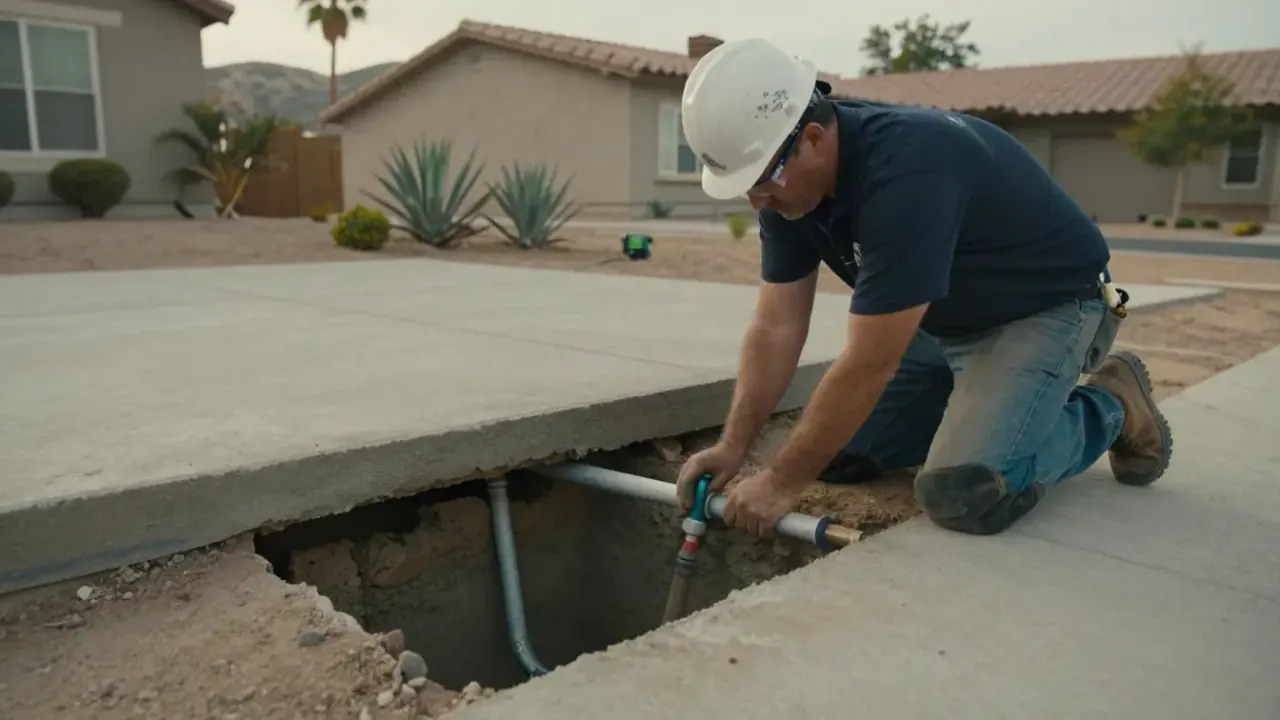
Tunneling reaches a slab leak by digging a small passage from outside the home, under the foundation, to the damaged pipe, so the floor above stays untouched. It is the least disruptive option for flooring, which matters if you have tile, hardwood or custom finishes you would rather not rip out.
The tradeoff is labor. Tunneling is slow, hands-on work, and it may not be practical if the leak is deep under the center of the house. Distance and soil conditions both matter.
Homes with expensive floors are the usual candidates for Slab Leak Tunneling in Tustin, particularly when the leak sits near an exterior wall and can be reached from the edge of the foundation.
- Best for: leaks closer to the perimeter of the slab.
- Watch for: long tunnel runs, which add time and effort.
- Not ideal for: leaks near the center of the house.
When does epoxy pipe lining work?
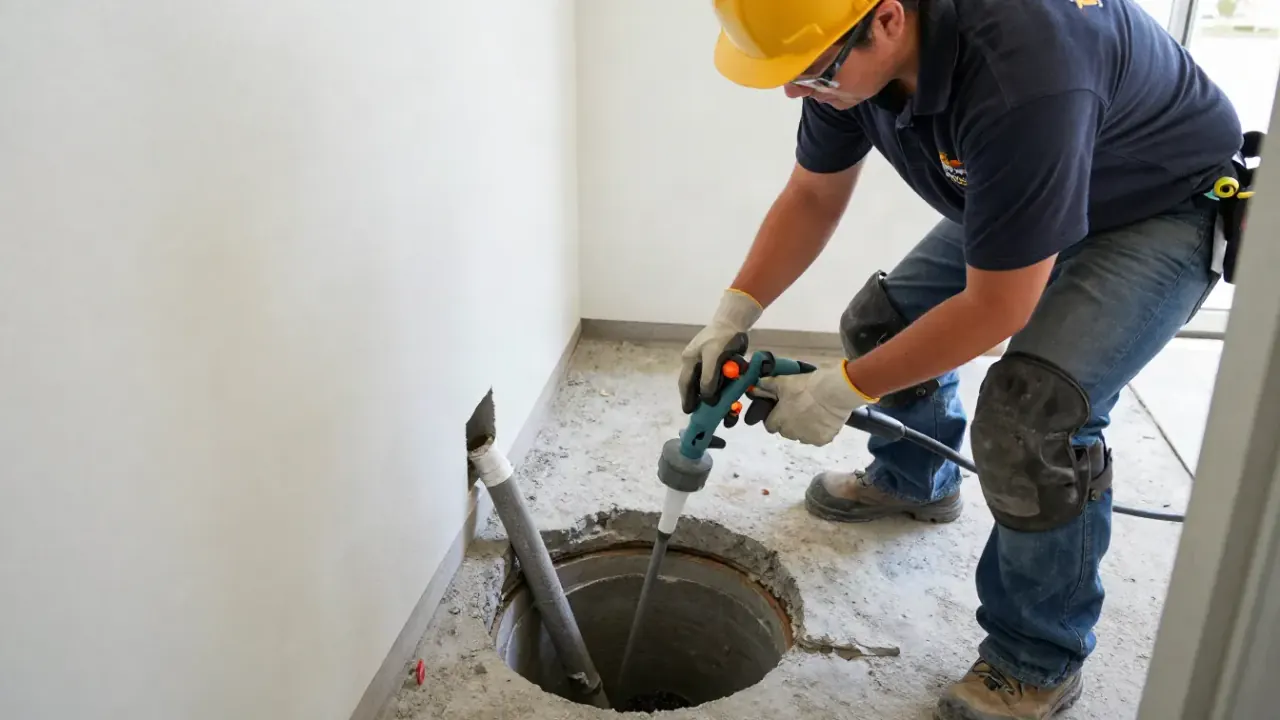
Epoxy pipe lining works when the existing pipe is in reasonable shape and has not collapsed, because the coating is applied inside the old pipe to seal leaks from within. It is the least invasive of the three methods, since little or no concrete has to come out.
The idea is simple. The pipe is cleaned, an epoxy coating is applied through its length, and the cured lining forms a new barrier against water. The pipe itself stays in the slab.
That is also its limit. If the line is badly deteriorated, or has a collapsed section, there is nothing sound to coat. A video inspection tells you which situation you are in, and it should come before any decision on Epoxy Pipe Lining in Tustin.
Why reroute pipes through the walls?
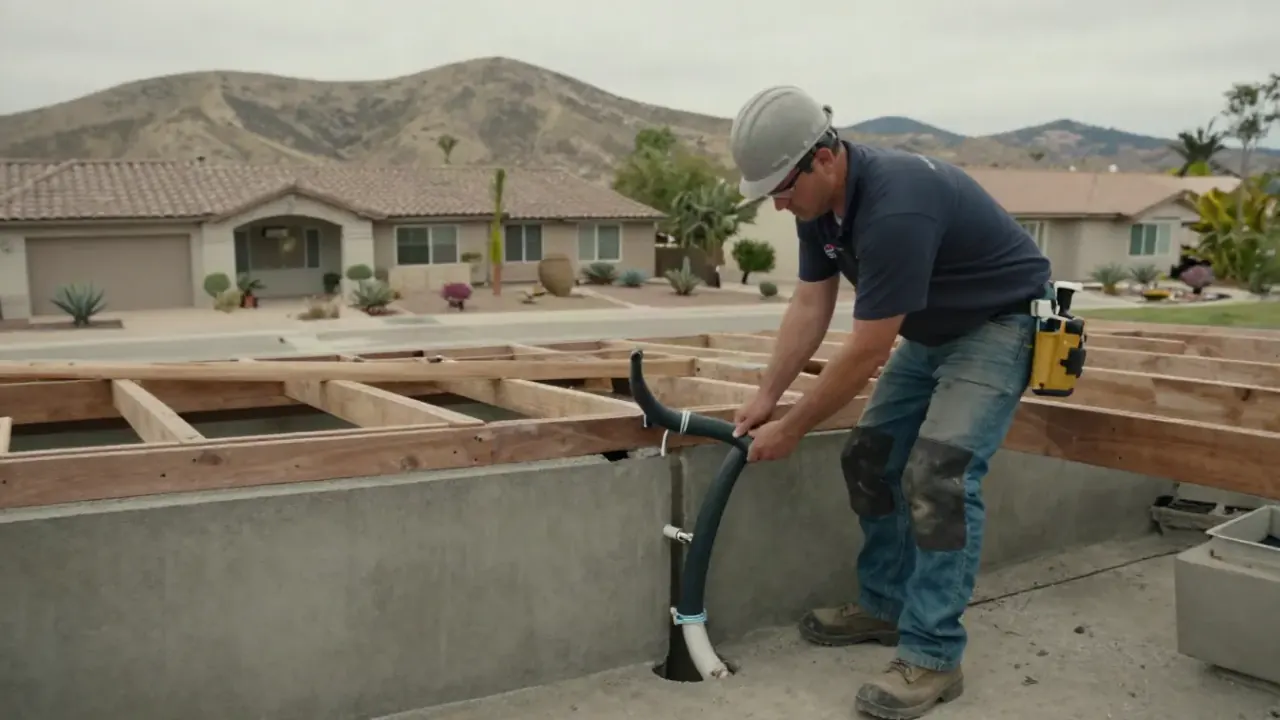
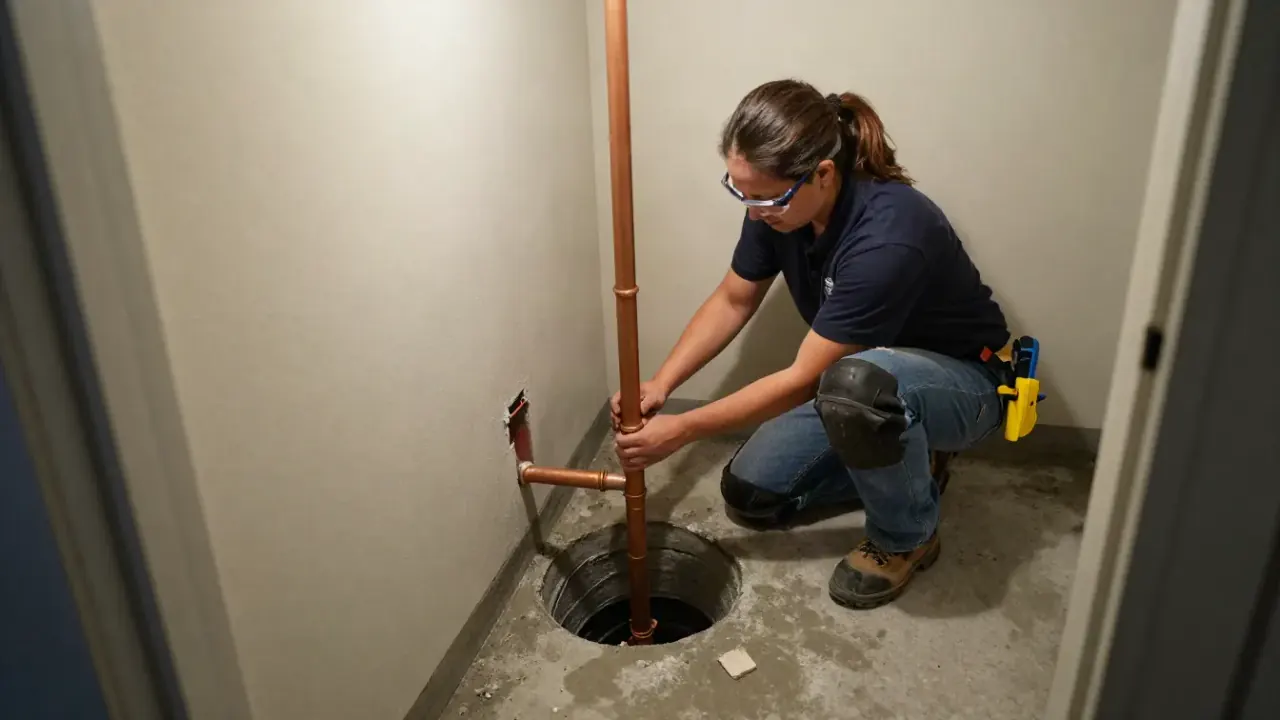
Rerouting is the strongest option when a home has multiple leaks or aging pipes, because it abandons the buried line and runs new pipe through the walls or attic instead. The slab is left alone, and the new line is exposed and easy to reach in the future.
The cost is drywall work. Walls have to be opened to run the pipe, then patched and painted. Plan for that disruption, even though the concrete stays whole.
Rerouting also gives you a chance to rethink the layout. Homeowners in neighborhoods such as Slab Leak Repair in Tustin Legacy often have open floor plans, and a plumber can talk through routes that keep new lines out of the way. Learn what Pipe Rerouting in Tustin involves before you decide, since the best path depends on the layout of your walls and attic.
Rerouting versus repiping
If several fixtures have problems, rerouting a single line may be the first step on a longer road. Some homes end up needing a broader replacement. That is where whole-house repiping comes into the conversation, and a plumber can explain whether your system is heading in that direction.
When is breaking the concrete still the best choice?
Breaking the concrete is still the best choice when the leak is a single, easily located failure in a spot that is directly reachable. Direct access is simple and gives a clear view of the pipe. In some cases it is also the lowest-cost route.
Typical slab leak repair costs run roughly $630 to $4,400, with severe or hard-access jobs reaching about $6,750, according to This Old House. Angi puts the average at about $2,300. Price depends on access, method and leak location, and these are typical 2026 figures, not quotes. A less invasive method is not always the cheaper one, so ask for the tradeoffs on each option.
For example, a leak under a closet floor with flooring you do not mind replacing may be quick to reach from above. The same leak under a finished great room is a very different decision.
What about post-tension slabs?
Post-tension slabs need special care because they contain tensioned steel cables that must not be cut. If your home has one, breaking concrete carelessly can cause serious damage, which makes the choice of method more important.
This is a strong reason to find out what kind of slab you have before any work begins. A plumber who handles Post-Tension Slab Leak Repair in Tustin will treat cable locations as a first step, and may lean toward methods that avoid cutting the slab at all.
If you do not know whether your slab is post-tensioned, ask. Plans, the builder, or a scan of the slab can answer the question.
Common mistakes when choosing a method
Common mistakes when choosing a slab leak repair method include picking one before the leak is located, assuming trenchless always wins, and ignoring the age of the pipes. A few simple checks prevent most of them.
- Skipping detection. Without acoustic, thermal, pressure or video work, the plan is guesswork.
- Fixing one leak in a worn system. If the pipes are aging, a spot repair may be followed by another leak soon after.
- Assuming lining fits every pipe. It needs a pipe that has not collapsed.
- Forgetting the walls. Rerouting avoids the slab but still means drywall repair.
- Ignoring slab type. Post-tension cables change what is safe to cut.
Properties on larger lots, such as those in Slab Leak Repair in North Tustin, may offer more outdoor room for tunneling access than tight lots do. That is a layout question, not a rule, so have it checked on site.
When to call a professional
You should call a plumber when you notice signs like a rising water bill, a meter that moves with all water off, warm floor spots or damp carpet. A professional can confirm the leak and explain which methods apply to your house.
Tustin Slab Leak Repair can walk through detection, the access options for your layout, and the real tradeoffs between each approach. In the meantime, shut off the main water valve if water is actively escaping, move belongings off wet floors, photograph the damage for your insurer, and call your insurer.
Frequently Asked Questions
Can every slab leak be fixed without breaking concrete?
No. Many can, but not all. Tunneling, lining and rerouting each have limits, and direct access is sometimes the practical choice. Leak location, pipe condition and slab type decide it.
Which method is least invasive?
Epoxy lining is generally the least invasive because the coating goes inside the existing pipe. It only works if the pipe is in reasonable shape and has not collapsed.
Is tunneling or rerouting better?
Neither is always better. Tunneling protects flooring but is labor-intensive. Rerouting suits multiple leaks or aging pipes but means drywall work. Your leak location and pipe condition decide.
Does avoiding the concrete cost less?
Not necessarily. Slab leak repair typically runs roughly $630 to $4,400, with harder jobs reaching about $6,750. Access and method drive the price, so compare options for your house.
What if my home has a post-tension slab?
Steel cables inside the slab are under tension and must not be cut. A plumber should locate them first and may prefer methods that leave the slab intact.
Get help with Slab Leak Repair in Tustin
If you want to know whether your leak can be fixed without opening the floor, start with an accurate diagnosis. Call Tustin Slab Leak Repair at (657) 359-9075.